
Creamy, thin, and endlessly adaptable — these cottage cheese wraps turn two pantry staples into a flexible base for breakfasts, lunches, and light dinners.
They cook like crepes but feel lighter, with a tender interior and a slightly golden exterior.
Ready in under 15 minutes, they’re a fast way to add protein to any meal and keep things low-carb when you skip flour.
Use them as a savory lunch vessel, a sweet fruit roll, or a stackable substitute for tortillas.
This simple recipe is forgiving, fast, and perfect for busy weekdays or weekend experimenting.
Why You’ll Love This Cottage Cheese Wraps
– High-protein, low-effort: just two ingredients for multiple wraps.
– Fast: from blender to plate in under 15 minutes.
– Versatile: serves sweet or savory fillings with equal success.
– Low-carb friendly: no flour or grain required.
– Tender texture: softer than flour crepes, with a slight chew.
– Minimal cleanup: only a blender and a pan.
– Kid-friendly and diet-friendly with easy swaps.
These wraps have a mild, dairy-forward taste that pairs well with bold fillings. The texture is soft and slightly elastic, similar to a crepe but with a denser, more satisfying bite from the cottage cheese curds (which blend smooth). They hold fillings without tearing and warm up well the next day.
"Five stars — I made these in 10 minutes, topped with smoked salmon and arugula. They’re now my go-to quick lunch. Soft, sturdy, and delicious." — a happy reader
Key Ingredients for Cottage Cheese Wraps
Full-fat cottage cheese
Full-fat cottage cheese gives you a richer mouthfeel and better browning in the pan because of higher milk-fat content. Look for small-curd varieties labeled “cream top” if possible; they blend very smoothly. If you substitute with low-fat, expect slightly less flavor and a thinner mouthfeel, though the wraps will still set.
Low-fat cottage cheese
Low-fat cottage cheese reduces calories and keeps the batter leaner while retaining protein. Choose brands with minimal additives and moderate sodium to avoid a salty batter. Substituting low-fat for full-fat may make the wraps a touch drier; add a tiny splash of milk or an extra egg yolk for richness if needed.
Large eggs
Eggs are the binder and structure in these wraps; they coagulate as the batter hits the hot pan and turn the blended dairy into a flexible sheet. Use large eggs at room temperature for even mixing and better texture. If you substitute with egg whites only you’ll lose richness and binding strength; adding a whole egg or an extra yolk can improve pliability if you used low-fat cottage cheese.
Full Ingredient List for Cottage Cheese Wraps
– 1 cup cottage cheese (full-fat or low-fat)
– 2 large eggs
Step-by-Step Instructions for Cottage Cheese Wraps
Step 1: Blend the batter
Combine 1 cup cottage cheese and 2 large eggs in a blender. Blend until completely smooth, about 20–30 seconds.
Pro Tip: The batter should be uniformly smooth with no visible curds; it will look glossy and slightly thick, similar to thin pancake batter.
Step 2: Heat the pan
Heat a nonstick skillet over medium heat and lightly spray with oil. Test the pan by flicking a few drops of water — they should sizzle and evaporate quickly.
Pro Tip: The pan surface should shimmer but not smoke; a drop of batter should spread thin and set immediately around the edges.
Step 3: Cook each wrap
Pour about half the batter (around 1/2 cup) into the center of the pan, then tilt the skillet to spread the batter thin like a crepe. Let cook undisturbed for 3–4 minutes until the edges lift and the surface looks dry. Gently flip and cook the other side for 1–2 minutes until lightly golden.
Pro Tip: The edges will lift cleanly and the top will stop glistening when ready to flip; look for a pale golden ring along the perimeter.
Step 4: Cool and repeat
Transfer the cooked wrap to a plate and let it cool 2–3 minutes; repeat with the remaining batter until all wraps are cooked.
Pro Tip: Cooked wraps should be cool enough to handle but still warm and pliable; stacking them loosely prevents sogginess.
Step 5: Fill and serve
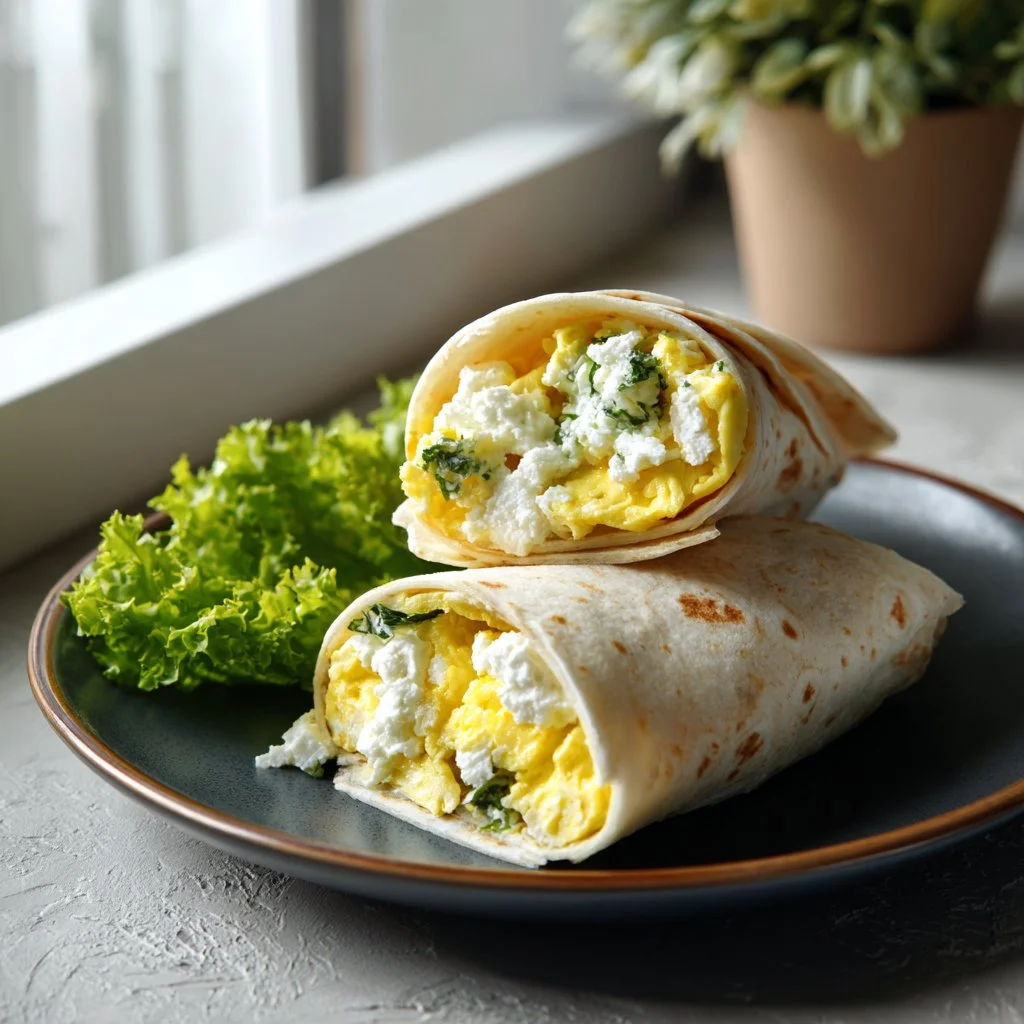
Once slightly cooled, fill, roll, or fold with savory or sweet fillings.
Pro Tip: A filled wrap should hold its shape without tearing; if it splits, the wrap was either too hot (steam) or too thin — add a second wrap for sturdiness.
Expert Tips for Cottage Cheese Wraps
– Temperature tip: Keep the pan at medium heat; too hot and the wraps brown before setting, too cool and they won’t form a proper edge.
– Texture troubleshooting: If the batter feels grainy after blending, add 1–2 tablespoons of milk or swirl in a yolk and blend for another 10 seconds.
– Batter consistency: Aim for a pourable batter that coats the back of a spoon; adjust with tiny amounts of liquid rather than more cottage cheese.
– Equipment tip: A 9–10 inch nonstick skillet produces nicely sized wraps; a well-seasoned crepe pan works even better for spreading.
– Flip technique: Use a thin flexible spatula and slide it fully under the wrap before lifting; flip gently to avoid tearing.
– Common mistake — overcrowding: Pour only one wrap at a time; overcrowding the pan drops temperature and creates uneven cooking.
– Browning control: If you want a paler wrap, reduce heat slightly and extend the first side to 4 minutes; for crisp edges, increase heat briefly during the final 30 seconds.
– Cooling tip: Let wraps rest 2–3 minutes before filling to prevent steam-induced sogginess when you fold them.
Storage & Freezing for Cottage Cheese Wraps
Fridge storage: Stack cooled wraps with parchment between each and place in an airtight container or zip-top bag for up to 3 days. For best texture, consume within 48 hours.
Freezer storage: Freeze single wraps flat on a baking sheet until firm, then stack with parchment in a freezer-safe bag or container for up to 1 month. Label with the date.
Thawing: Thaw overnight in the fridge or at room temperature for 30–60 minutes before reheating.
Reheating: Warm gently in a nonstick skillet over low heat for 30–60 seconds per side, or microwave for 15–20 seconds between damp paper towels to retain moisture.
Variations & Substitutions for Cottage Cheese Wraps
Savory herb wrap: Blend in a tablespoon of chopped fresh herbs (parsley, chives, or dill) and a pinch of salt. The herbs add aromatic lift and make the wraps ideal for smoked fish or egg salad.
Spinach & green: Add a handful of blanched spinach to the blender before mixing for a green-hued wrap. This increases vegetable intake and lends a soft, earthy flavor; squeeze excess water from the spinach to avoid thinning the batter.
Sweet cinnamon-banana wrap: Add 1/2 teaspoon ground cinnamon and a teaspoon of honey to the blender; fill with sliced banana and a smear of nut butter. The result is a dessert-like roll with warm spice and natural sweetness.
Cheesy mushroom filling: Fill plain wraps with sautéed mushrooms, garlic, and a sprinkle of grated parmesan. The wrap’s neutral dairy base complements umami-packed fillings and creates a breakfast or light dinner option.
Frequently Asked Questions About Cottage Cheese Wraps
What texture should cottage cheese wraps have when done?
Finished wraps should be tender, slightly elastic, and free of wet, glossy batter on the surface. The edges will lift and look matte; the underside will be lightly golden. Overcooked wraps become leathery, while undercooked ones remain wet and may tear.
Can I make the batter ahead of time?
Yes — store blended batter in an airtight container in the fridge for up to 24 hours. Stir or gently reblend briefly before cooking to reincorporate any separation. Longer storage leads to water separation and may require a splash of milk to restore consistency.
Are these wraps suitable for high-protein diets?
Absolutely — cottage cheese and eggs deliver a concentrated protein source per wrap. Use full-fat or low-fat cottage cheese to adjust calories while keeping protein high. For extra protein, add a spoonful of unflavored protein powder to the batter and blend briefly.
How do I prevent tearing when filling?
Allow wraps to rest 2–3 minutes after cooking to firm up. Use modest fillings — avoid overloading with liquid-rich ingredients. If a wrap tears, layer a second wrap or warm the wraps briefly to increase pliability.
Can I substitute the cottage cheese with Greek yogurt or ricotta?
Greek yogurt or ricotta can work but will change texture and moisture. Thick Greek yogurt yields a tangier, softer wrap; ricotta makes a fluffier, wetter batter that may require a quick sift through a blender for smoothness. Expect slightly different browning and set times.

Final Thoughts on Cottage Cheese Wraps
These Cottage Cheese Wraps are a fast, protein-rich canvas for endless meals — versatile, forgiving, and made with two simple ingredients. Leave a star rating in the recipe card below and pin this idea for busy meals and meal prep.
For more inspiration, check out this viral Cottage Cheese Wrap that sparked many variations.
If you want creative serving ideas and beautiful photos, see the recipe gallery at 101 Cookbooks’ Cottage Cheese Wraps.
To compare technique notes and budget-friendly tips, read the step-by-step guide at Budget Bytes’ Cottage Cheese Wraps.

Cottage Cheese Wraps
Ingredients
Method
- Combine 1 cup cottage cheese and 2 large eggs in a blender. Blend until completely smooth, about 20–30 seconds.
- Heat a nonstick skillet over medium heat and lightly spray with oil.
- Pour about half the batter (around 1/2 cup) into the center of the pan, then tilt the skillet to spread the batter thin like a crepe.
- Let cook undisturbed for 3–4 minutes until the edges lift and the surface looks dry. Gently flip and cook the other side for 1–2 minutes until lightly golden.
- Transfer the cooked wrap to a plate and let it cool 2–3 minutes; repeat with the remaining batter until all wraps are cooked.
- Once slightly cooled, fill, roll, or fold with savory or sweet fillings.