
Fresh, quick, and surprisingly sturdy—this cottage cheese pizza crust is a game changer for weeknight pizza.
It uses just a few ingredients and transforms cottage cheese into a tender, keto-friendly base.
You’ll get a golden edge and a soft, slightly chewy interior that holds toppings well.
Read on for the why, the how, visual cues, and pro tips that ensure success every time.
Why You’ll Love This Cottage Cheese Pizza Crust
- Low-carb and high-protein alternative to traditional dough.
- Ready in under 35 minutes from start to finish.
- Uses pantry-friendly ingredients and minimal equipment.
- Crisp around the edges, tender in the center.
- Much lighter than cauliflower or almond flour crusts.
- Perfect for gluten-free or grain-free diets with simple swaps.
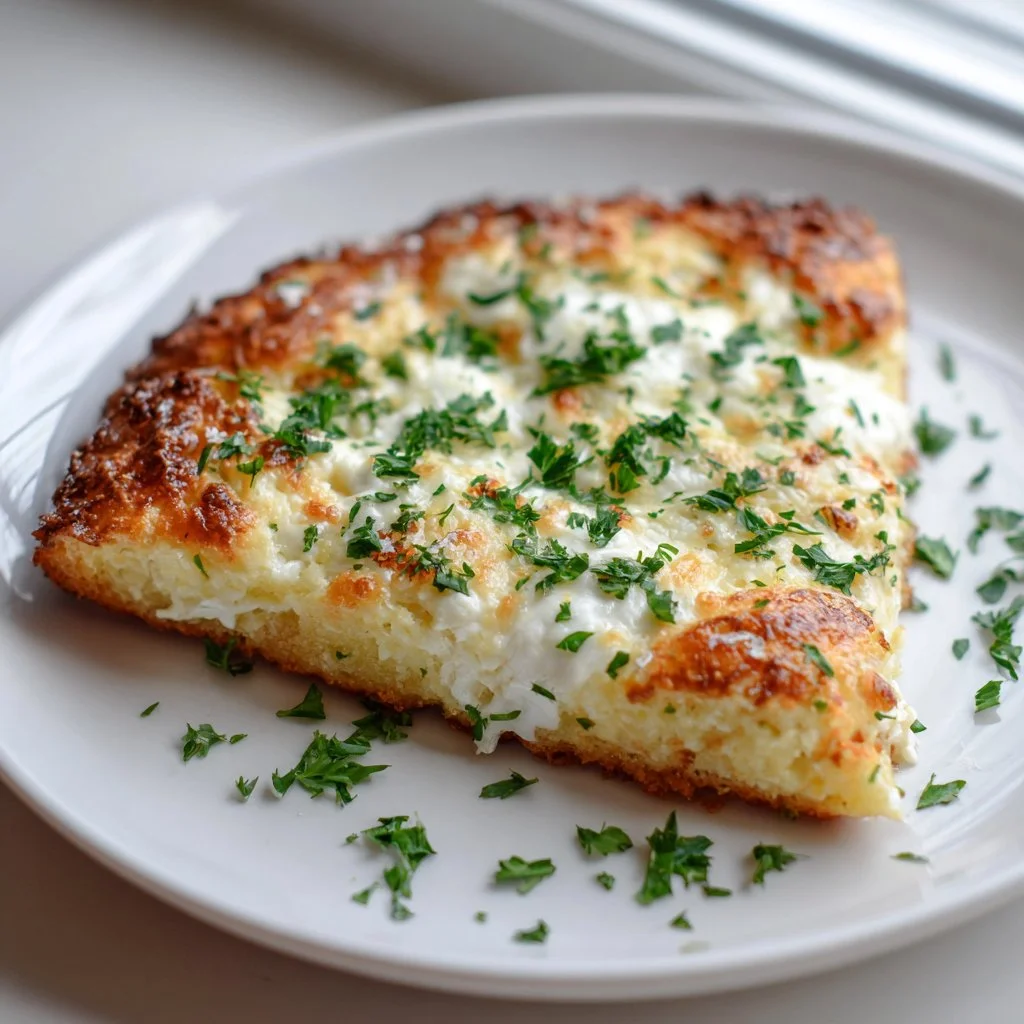
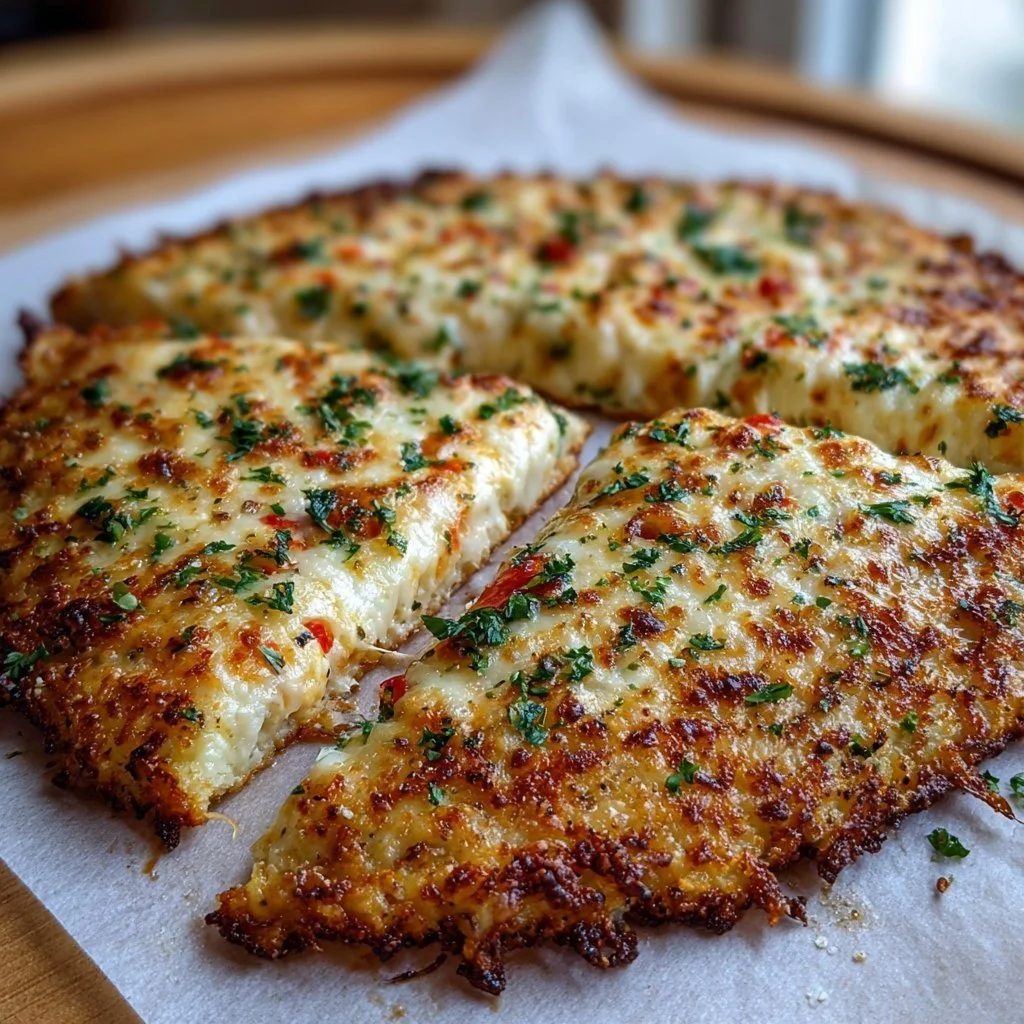
This crust delivers a mild, slightly tangy dairy flavor with a cheese-forward profile. The texture is thin and crisp at the edges while remaining soft and pliable under toppings. Finished with a golden top, it mimics a thin-crust pizza without heavy flour.
"Absolutely love this crust — so easy and my family couldn’t tell it wasn’t regular dough. Crispy edges, soft middle, and so filling. Five stars!" — A happy reader
Key Ingredients for Cottage Cheese Pizza Crust
- Cottage cheese: Cottage cheese is the structural backbone here. The curds contain casein and moisture that blend into a creamy base when pureed. Buy small-curd cottage cheese for a smoother blend; if you only have large-curd, pulse longer. Substituting ricotta will make the mix looser and slightly less tangy.
- Shredded mozzarella cheese: Mozzarella supplies the stretch and browning that help the crust bind and crisp. Use low-moisture part-skim shredded mozzarella for best melting and less water release. Freshly shredded from a block melts more predictably than pre-shredded with anti-caking additives.
- Large eggs: Eggs are the primary binder and provide structure through coagulation as they bake. Use room-temperature eggs to incorporate more evenly and avoid a rubbery texture that overly cold eggs can contribute to. Replacing eggs with flax or chia will change texture and likely produce a denser, less cohesive crust.
- Italian seasoning (optional): This blend boosts savory complexity without extra work. Choose a mix with dried basil, oregano, and thyme for a classic pizza profile. Omitting it keeps the crust neutral so your toppings shine.
Full Ingredient List for Cottage Cheese Pizza Crust
- 1 cup cottage cheese
- 1 cup shredded mozzarella cheese
- 2 large eggs
- 1 tsp Italian seasoning (optional)
- ½ tsp garlic powder (optional)
- Pinch of salt (optional)
- 1 tbsp chopped parsley (optional)
Step-by-Step Instructions for Cottage Cheese Pizza Crust
Step 1: Preheat your oven to 400°F (200°C) and prepare a baking sheet with parchment paper.
Preheating ensures the crust begins to set immediately and encourages browning. Use a rimless baking sheet or a pizza stone if you have one. Line the surface with parchment paper to prevent sticking and to make transferring easier.
Pro Tip: The oven should feel fully hot when you slide the crust in; the parchment will lay flat and unwrinkled if the sheet is level.
Step 2: Blend cottage cheese, eggs, and optional seasonings until smooth in a blender or food processor.
Combine cottage cheese, eggs, Italian seasoning, garlic powder, and a pinch of salt in a blender. Process until the mixture is completely smooth and free of visible curds. Smooth blending is key to an even bake and to prevent large gaps or holes in the crust.
Pro Tip: The mixture should look silky and uniform, with no white lumps; it will be slightly viscous but spreadable.
Step 3: Fold in shredded mozzarella cheese until evenly distributed.
Transfer the blended base to a bowl and gently fold in the shredded mozzarella with a spatula. This distributed cheese forms the fibrous matrix that sets into a cohesive crust. Mix until the mozzarella is evenly dispersed; avoid overworking.
Pro Tip: The mixture should feel tacky and pull together without being runny; you should see ribbons of mozzarella integrated into the batter.
Step 4: Spread the mixture onto the baking sheet into a thin crust.
Use a spatula or the back of a spoon to spread the mixture into a thin, even circle or rectangle about 1/8–1/4 inch thick. Thinner crusts crisp more; thicker ones stay chewier. Smooth the surface and create a slightly raised rim if you want a more defined edge.
Pro Tip: The spread should be even with no gaps; the surface will look glossy and slightly dimpled.
Step 5: Bake for 20–25 minutes until golden and firm.
Bake on the middle rack to ensure even heat. Check after 20 minutes; the crust should be golden on top and firm to the touch. If it still feels soft, give it a few more minutes—overbaking by a couple minutes is better than underbaking for structure.
Pro Tip: The crust should sound slightly hollow if tapped and have a consistently golden color across the top.
Step 6: Add toppings and bake for an additional 5–8 minutes until heated through.
Remove the crust, add sauce, cheese, and toppings of choice, then return to the oven for a short finish. Keep toppings light so the crust doesn’t become soggy. Finish until cheese is melted and edges are crisp.
Pro Tip: The final bake should steam briefly when you remove the pizza; toppings should be bubbly and cheese lightly browned.
Expert Tips for Cottage Cheese Pizza Crust
- Use room-temperature eggs so they blend more smoothly and set evenly.
- Choose low-moisture shredded mozzarella to avoid excess water pooling during baking.
- If the crust is too wet, let blended mixture rest 5–10 minutes so moisture redistributes before spreading.
- Preheat a baking stone or metal sheet for crisper bottoms; a cold pan yields a softer underside.
- Pulse cottage cheese until completely smooth; visible curds will create holes while baking.
- Avoid overloaded toppings; too much sauce or vegetables releases moisture and makes the crust soggy.
- Use parchment paper or a silicone mat to transfer easily and avoid tearing the crust.
- If edges brown too quickly, tent loosely with foil for the final minutes while toppings finish.
Storage & Freezing for Cottage Cheese Pizza Crust
Fridge storage: Cool the crust completely, then wrap tightly in plastic wrap or place in an airtight container. Store for up to 3 days. Reheat in a 350°F (175°C) oven for 6–8 minutes to crisp before adding fresh toppings.
Freezer storage: Par-bake the crust (to step 5), cool fully, then wrap in parchment and aluminum foil or place in a freezer-safe zip bag. Freeze for up to 2 months. Thaw overnight in the fridge before reheating.
Thawing & reheating: Thaw in the refrigerator overnight, then reheat at 350°F (175°C) for 8–12 minutes until warm and crisp. For best texture, reheat on a preheated baking sheet or pizza stone.
Best containers: Use airtight containers or heavy-duty freezer bags for frozen storage. For fridge storage, a shallow airtight container prevents condensation and sogginess.
Variations & Substitutions for Cottage Cheese Pizza Crust
- Herb and Parmesan crust: Add 2 tbsp grated Parmesan and 1 tsp chopped fresh rosemary to the base before folding in mozzarella. The result is a nutty, more deeply flavored crust with extra browning.
- Gluten-free dairy-free twist: Replace cottage cheese with silken tofu and use a dairy-free shredded cheese, adding 1 tsp nutritional yeast for savory depth. Expect a softer, less chewy texture that still holds toppings.
- Spicy sundried tomato crust: Mix 1 tbsp finely chopped sundried tomatoes and ½ tsp red pepper flakes into the blended base. You’ll get a tangy, savory crust with a pleasant kick that pairs well with simple toppings.
- Seeded crust boost: After spreading the mixture, sprinkle sesame seeds and flax seeds on the edges before baking. This adds crunch and a nutty flavor, and helps the rim brown more attractively.
Frequently Asked Questions About Cottage Cheese Pizza Crust
Q: Can I use low-fat or nonfat cottage cheese for this crust?
A: Yes, but expect differences. Low-fat or nonfat cottage cheese has higher moisture and less fat, which can make the crust softer and less rich. If using low-fat, press excess liquid in a fine sieve for 10 minutes and consider adding an extra tablespoon of shredded mozzarella to improve structure.
Q: How do I stop the crust from becoming soggy under toppings?
A: Prevent sogginess by par-baking the crust until it is firm and golden. Use low-moisture toppings and avoid watery vegetables unless they’re pre-roasted. Also, spread a thin layer of sauce rather than puddling it, and finish the pizza under high heat briefly to evaporate extra moisture.
Q: Can I make this crust without a blender or food processor?
A: It’s possible but less ideal. Mash cottage cheese thoroughly with the back of a fork and whisk vigorously with the eggs until as smooth as you can achieve. Expect a slightly more rustic texture and potential small curds. The crust will still work but may be less uniform.
Q: Will this crust crisp up on the bottom?
A: Yes, especially if baked on a preheated metal sheet or pizza stone. High initial heat and a hot surface promote bottom browning. If your crust stays soft, try moving it to a lower rack or briefly broiling the underside after toppings are done—but watch closely to avoid burning.
Q: Is this recipe suitable for a keto or low-carb diet?
A: Absolutely. The crust is primarily dairy and eggs, keeping carbohydrate counts low compared with flour-based doughs. Exact carb content depends on the cottage cheese you choose, so check labels if you need strict tracking.
Final Thoughts on Cottage Cheese Pizza Crust
This crust is a fast, reliable alternative to traditional dough that balances crisp edges with a tender center. Try it once and you’ll understand why it’s become a weeknight favorite.
Please leave a star rating in the recipe card below and pin this recipe to Pinterest if you enjoyed it.
Conclusion: Cottage Cheese Pizza Crust
For a simple starting point and variations to try, see the original twist on cottage cheese crust at I Heart Vegetables’ Cottage Cheese Pizza Crust recipe.
If you want a higher-protein take with similar technique notes, check the helpful walkthrough at High Protein Cottage Cheese Pizza Crust – Healthy Fitness Meals.
For another fan-favorite perspective and serving ideas, read the approachable breakdown at My New Favorite Pizza Has a Cottage Cheese Crust – Pinch of Yum.
Cottage Cheese Pizza Crust
Ingredients
Method
- Preheat your oven to 400°F (200°C) and prepare a baking sheet with parchment paper.
- Blend cottage cheese, eggs, and optional seasonings until smooth in a blender or food processor.
- Fold in shredded mozzarella cheese until evenly distributed.
- Spread the mixture onto the baking sheet into a thin crust.
- Bake for 20–25 minutes until golden and firm.
- Add toppings and bake for an additional 5–8 minutes until heated through.