
Bright, floral, and dotted with playful sprinkles, these cupcakes are a quick way to make any gathering feel special.
They bake fast, frost beautifully, and deliver a delicate rose note that pairs with the buttery crumb.
Perfect for birthdays, showers, or an elevated weekday treat.
Light enough for spring afternoons, but sturdy enough to hold a tall swirl of buttercream.
Read on for ingredient science, step-by-step visuals, troubleshooting, and pro tips to get bakery-quality results at home.
Why You’ll Love This Sprinkled Rose Cupcakes
- Delicate rose aroma balanced with classic vanilla-like cake flavor.
- Soft, tender crumb that holds frosting without collapsing.
- Easy method with standard pantry ingredients.
- Quick bake time — ready in under an hour.
- Eye-catching pastel color and playful sprinkles for parties.
- Frosting pipes beautifully and stays stable at room temperature.
- Great base for flavor twists and seasonal decorations.
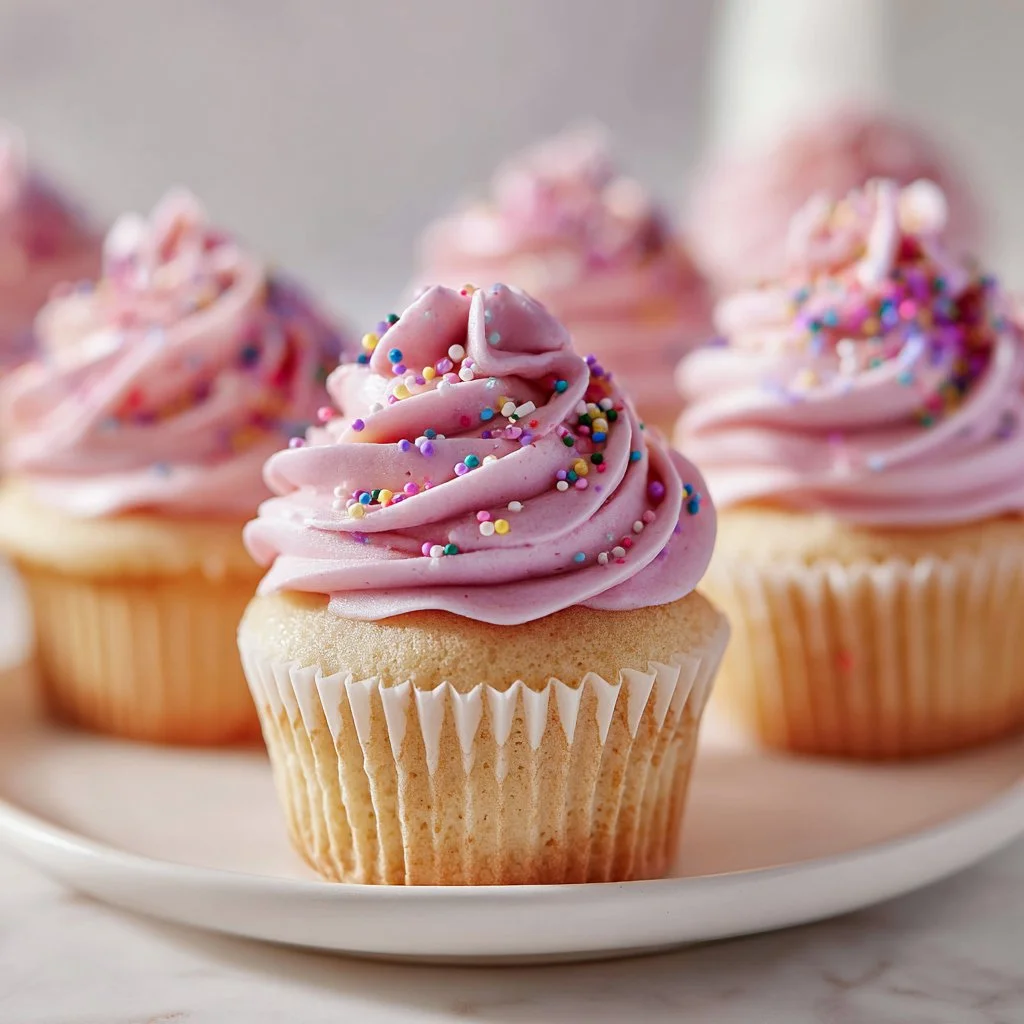
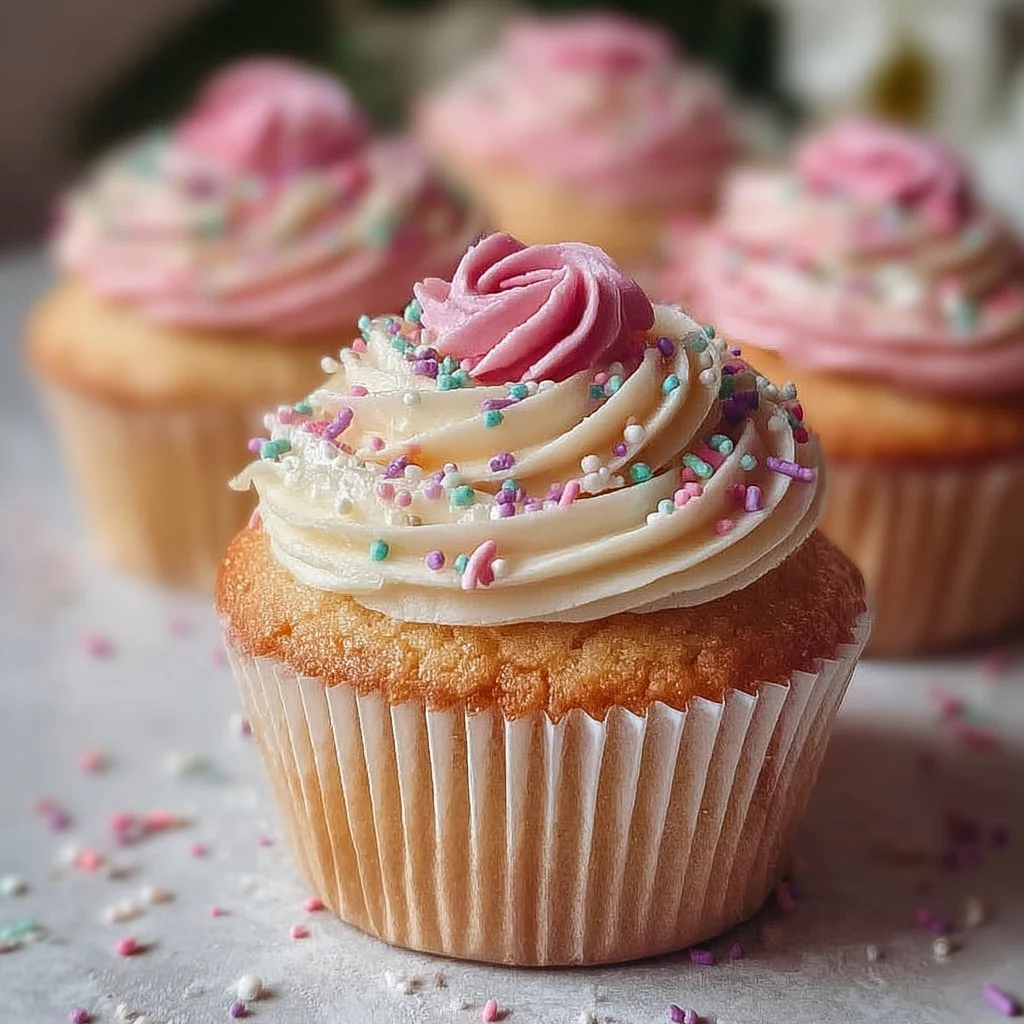
The taste is gently floral with buttery, sweet cake and a smooth, silky rose buttercream on top. The texture is soft and fine-grained thanks to creamed butter and correctly measured flour, with enough structure from eggs and baking powder to keep a neat cupcake dome. The sprinkles add a crunchy contrast and a joyful visual finish that makes each bite feel celebratory.
“These cupcakes disappeared at my daughter’s party. The rose flavor is subtle but real, and the frosting was the creamiest I’ve ever made. Five stars!” — Jamie R.
Key Ingredients for Sprinkled Rose Cupcakes
All-purpose flour
All-purpose flour builds structure in these cupcakes. Use a spoon-and-level measuring method to avoid packing and a dense crumb. If you substitute with cake flour, expect a softer, more delicate crumb and reduce flour by about 2 tablespoons for similar texture.
Unsalted butter (for cake and frosting)
Butter provides flavor, mouthfeel, and the creaming action that traps air for lift. Choose high-quality unsalted butter and bring it to room temperature for easy creaming. If you swap for margarine or oil, the flavor and structure will change — oil yields a moister but denser cake and won’t cream with sugar the same way.
Large eggs
Eggs add structure, moisture, and emulsification. They help the batter hold air and set a stable crumb as it bakes. Using extra-large eggs will slightly thin the batter; if swapping for egg replacer, expect less lift and a slightly different texture.
Rose extract
Rose extract supplies the signature floral note. Use a pure or high-quality natural extract for a clean flavor; start with less and taste the frosting as you go. If you replace it with rose water, reduce other liquids slightly and be mindful that rose water can be more aromatic, so use sparingly.
Full Ingredient List for Sprinkled Rose Cupcakes
- 1 and 1/2 cups all-purpose flour
- 1 cup granulated sugar
- 1/2 cup unsalted butter, softened (for the cake)
- 2 large eggs
- 1/2 cup milk
- 2 teaspoons baking powder
- 1/4 teaspoon salt
- 1 teaspoon rose extract
- Pink food coloring (optional)
- 1 cup unsalted butter, softened (for frosting)
- 4 cups powdered sugar
- 2 tablespoons heavy cream
- 1 teaspoon rose extract (for frosting)
- Colorful sprinkles
Step-by-Step Instructions for Sprinkled Rose Cupcakes
Step 1: Preheat and prepare
Preheat the oven to 350°F (175°C) and line a cupcake pan with liners. Use a standard 12-cup muffin tin for even heat distribution and consistent bake times.
Pro Tip: The oven should smell neutral and feel steady; the liners should sit flat and the pan should be room temperature.
Step 2: Cream butter and sugar
In a large bowl, beat the softened butter and granulated sugar until the mixture is light and fluffy, about 2–4 minutes with a hand mixer or stand mixer. This creaming step incorporates air that helps the cupcakes rise.
Pro Tip: Stop when the color lightens and the mixture looks aerated — it should feel slightly airy when you press it.
Step 3: Add eggs one at a time
Add the eggs one at a time, mixing well after each addition so they fully emulsify into the batter and prevent curdling. Scrape the bowl sides to keep the batter uniform.
Pro Tip: After each egg, the batter should look smooth and slightly glossy; no streaks of egg white should be visible.
Step 4: Add milk and rose extract
Stir in the milk and rose extract until combined. If using pink food coloring, add a drop or two now and mix gently to keep the color even.
Pro Tip: The batter should flow slowly off a spoon — pourable but not runny. It may smell faintly floral when the rose is well incorporated.
Step 5: Combine dry ingredients
In a separate bowl, whisk together the flour, baking powder, and salt. Gradually add the dry ingredients to the wet mixture, mixing just until combined to avoid overworking the gluten.
Pro Tip: The batter should be smooth with small air pockets and a few streaks of flour are okay at first; finish mixing gently until even.
Step 6: Fill liners and bake
Divide the batter evenly among the cupcake liners, filling each about two-thirds full. Bake for 18–20 minutes or until a toothpick inserted in the center comes out clean. Rotate the pan halfway through if your oven has hot spots.
Pro Tip: Tops should be light golden and spring back when gently pressed; a toothpick should exit with a few moist crumbs, not wet batter.
Step 7: Cool slightly then transfer
Let cupcakes cool in the pan for 5 minutes, then transfer them to a wire rack to cool completely. Cooling on a rack prevents sogginess from trapped steam.
Pro Tip: The bottoms should not be damp; they should feel set and slightly warm but not hot when you move them.
Step 8: Make the rose buttercream
For the frosting, beat the softened butter until creamy. Gradually add powdered sugar, heavy cream, and rose extract, mixing until light and spreadable. Adjust cream or sugar to reach desired consistency.
Pro Tip: The buttercream should hold soft peaks and feel silky when you lift the paddle; it should spread smoothly without sliding off.
Step 9: Frost and sprinkle
Frost the cooled cupcakes with the rose buttercream using an offset spatula or piping bag. Top with colorful sprinkles while the frosting is fresh so they adhere.
Pro Tip: The frosting should form clean peaks or swirls; sprinkles will sink into very soft buttercream, so it should be slightly whipped but stable.
Step 10: Serve
Serve within a few hours for the best texture, or store as directed below. These cupcakes look best at room temperature when the buttercream is soft but not melting.
Pro Tip: The aroma should be a soft floral butter scent; the cake should slice cleanly and hold the frosting without sagging.
Expert Tips for Sprinkled Rose Cupcakes
- Use room-temperature butter and eggs to ensure the batter emulsifies correctly and traps air for lift.
- Measure flour by spooning into the cup and leveling; packed flour causes dry, dense cupcakes.
- If the crumb is gummy, you likely underbaked slightly or overmeasured liquids; bake a few minutes longer and check again.
- For a taller dome, avoid overfilling liners and make sure your oven temperature is accurate — an oven thermometer helps.
- When adding rose extract, less is more; it can become soapy if overused. Add in stages and taste the frosting as you go.
- Chill frosting briefly (10–15 minutes) if it’s too soft to pipe; warming slightly with your hands will soften it for spreading.
- Use a stand mixer or paddle attachment for creaming; it produces a more consistent texture than a whisk or hand stirring.
- Common mistake: adding all dry ingredients at once and overmixing — this develops gluten and creates tunnels and toughness.
Storage & Freezing for Sprinkled Rose Cupcakes
Refrigerator: Store frosted cupcakes in an airtight container for up to 3 days. Keep them in a single layer to avoid smudging the frosting.
Freezer: For longer storage, freeze unfrosted cupcakes in a single layer on a tray until firm, then transfer to a freezer bag or airtight container for up to 3 months. Frost after thawing for best appearance.
Thawing: Thaw frozen cupcakes in the refrigerator overnight or at room temperature for 1–2 hours. If frozen with frosting, let them sit sealed at room temperature for 30–60 minutes to soften before serving.
Reheating: To refresh a refrigerated cupcake, warm in a 300°F (150°C) oven for 5–7 minutes or microwave for 8–12 seconds; avoid overheating or the buttercream may separate.
Variations & Substitutions for Sprinkled Rose Cupcakes
Lemon-Rose Twist: Add 1 teaspoon lemon zest to the batter and 1 tablespoon lemon juice to the frosting, reducing heavy cream slightly. The bright citrus will lift the floral notes and create a fresher, tangy finish.
Almond-Rose Version: Substitute 1/4 cup of the flour with finely ground almond meal and add 1/2 teaspoon almond extract. This yields a nuttier, richer crumb that pairs beautifully with rose.
Chocolate-Rose Cupcakes: Replace 1/4 cup flour with 1/4 cup unsweetened cocoa powder and add 2 tablespoons extra sugar. The cocoa deepens the flavor and creates a romantic, decadent contrast to rose buttercream.
Vegan Adaptation: Use a vegan butter, 2 flax eggs (2 tbsp ground flax + 6 tbsp water), and non-dairy milk. The texture will be slightly denser, so add 1/2 teaspoon extra baking powder for lift and be careful not to overmix.
Frequently Asked Questions About Sprinkled Rose Cupcakes
Q: How strong should the rose flavor be in the cupcakes and frosting?
A: Aim for a light, floral note rather than perfume-like intensity. Start with 1/2 teaspoon in the batter and 1/2–3/4 teaspoon in the frosting, tasting as you go. Rose extract potency varies by brand, so adjust incrementally to avoid a soapy or overpowering taste.
Q: Can I use rose water instead of rose extract?
A: Yes, but rose water is more aromatic and liquid — reduce other liquids slightly to compensate. Start with half the amount you would use for extract and add more only if needed. Taste frequently to avoid overpowering the cake.
Q: Why did my cupcakes sink in the center after baking?
A: Common causes include underbaking, opening the oven too early, overmixing the batter, or too much leavening. Ensure accurate oven temp, avoid overmixing once flour is added, and test doneness with a toothpick before removing.
Q: How do I prevent buttercream from being grainy or too soft?
A: Sift powdered sugar to avoid lumps, fully cream the butter first, and add cream slowly to control consistency. If buttercream is grainy, continue beating until smooth; if too soft, chill briefly and rewhip.
Q: Can I make the cupcakes ahead for a party?
A: Yes. Bake the cupcakes 1–2 days ahead and store unfrosted in an airtight container at room temperature. Make buttercream the day of or a day ahead; store refrigerated and bring to room temperature before whipping and frosting.
Final Thoughts on Sprinkled Rose Cupcakes
These Sprinkled Rose Cupcakes are an easy way to add floral elegance to any occasion while staying approachable for home bakers. Please leave a star rating in the recipe card below and pin this recipe to your favorite board.
For inspiration on similar floral cupcakes, see the Sprinkle Bakes vanilla rose water cupcakes, a step-by-step Sprinkled Rose Cupcakes tutorial at Sugar & Sparrow, and another creative take at A Dozen Rose Cupcakes from Sprinkle Bakes.
Sprinkled Rose Cupcakes
Ingredients
Method
- Preheat the oven to 350°F (175°C) and line a cupcake pan with liners.
- In a large bowl, beat the softened butter and granulated sugar until light and fluffy, about 2–4 minutes.
- Add the eggs one at a time, mixing well after each addition.
- Stir in the milk and rose extract until combined.
- In a separate bowl, whisk together the flour, baking powder, and salt. Gradually add to the wet mixture, mixing just until combined.
- Divide the batter evenly among the cupcake liners, filling each about two-thirds full.
- Bake for 18–20 minutes or until a toothpick inserted in the center comes out clean.
- Let cool in the pan for 5 minutes before transferring to a wire rack to cool completely.
- Beat the softened butter until creamy. Gradually add powdered sugar, heavy cream, and rose extract, mixing until light and spreadable.
- Frost the cooled cupcakes and top with colorful sprinkles.